Performance and clinical benefits
Moisture donation to support autolytic debridement
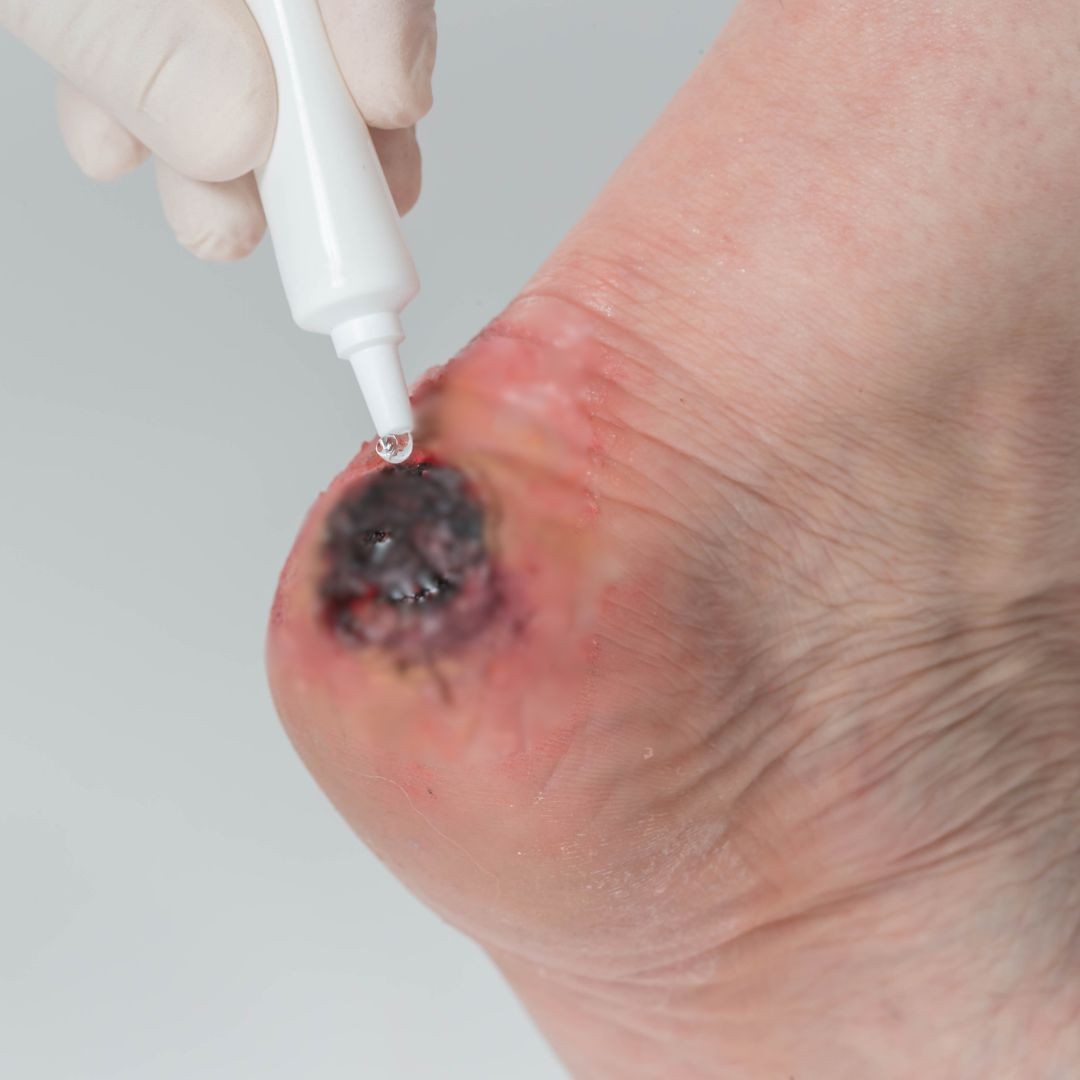
The hydrogel is formulated with a high water content to donate moisture directly to the wound surface. This moisture helps soften dry necrotic tissue and supports autolytic debridement.
By rehydrating necrotic and scar tissue, the gel assists in the removal of devitalized material from low exuding wounds and supports progression of sloughy or stalled wounds toward healing.
Clear visibility of the wound bed
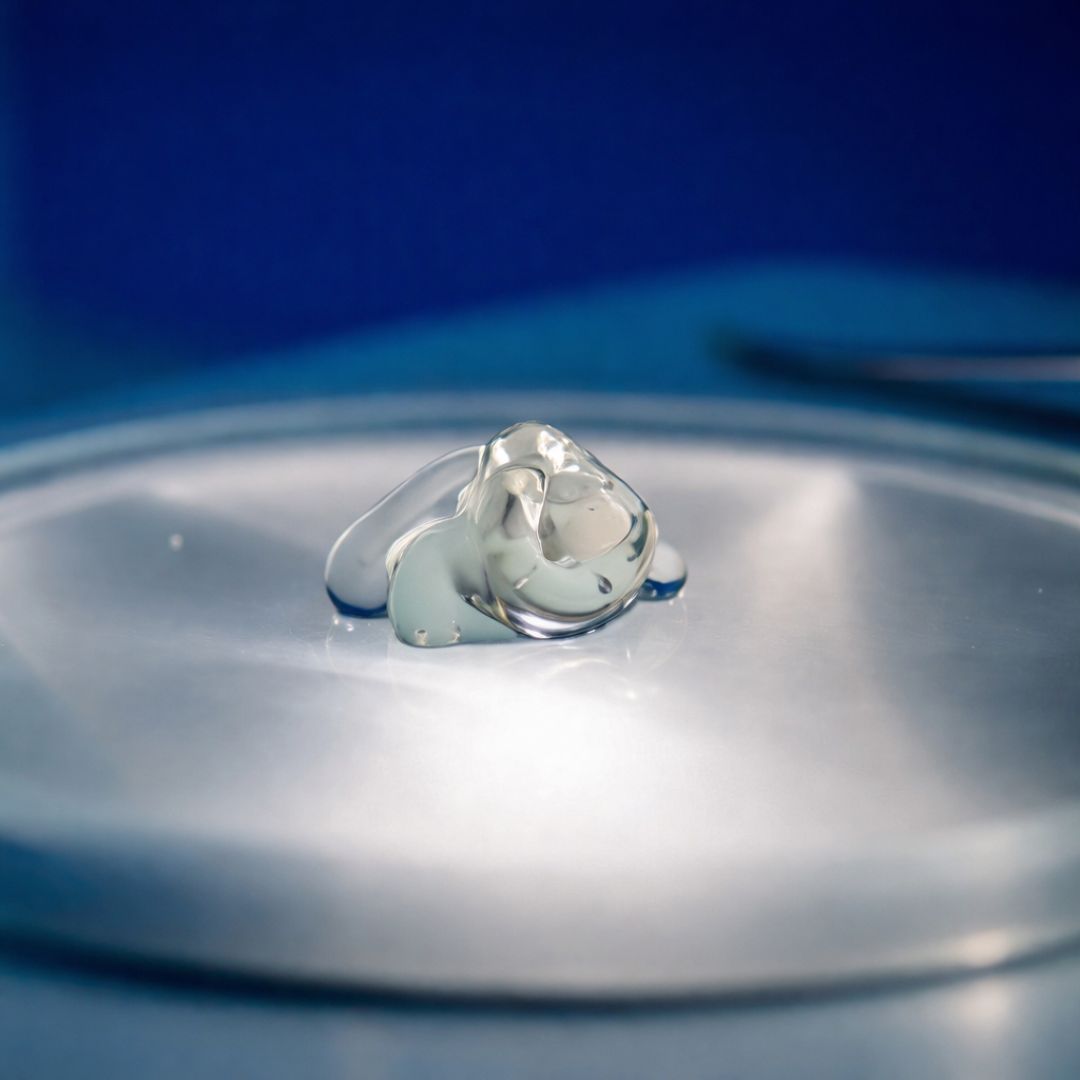
The hydrogel is translucent, clear, and colorless, supporting visibility of the wound bed during use. This clarity helps healthcare professionals monitor the wound surface and observe healing progress without removing the gel solely for assessment.
This supports continuity in wound management while maintaining a moist environment.
Viscous, cohesive consistency for controlled placement
The hydrogel has a thick, viscous consistency intended to remain where applied. This cohesive profile supports placement in deep cavities or undermined areas and helps keep the gel localized at the point of contact.
Maintaining placement at the wound surface may help minimize the risk of periwound maceration when moisture is introduced.
Gentle, non traumatic wear and removal
The hydrogel is described as soothing and cooling on application and supports a non adherent environment at the wound surface. This contributes to patient comfort and supports atraumatic dressing changes, particularly when repeated dressing management is required.
Biocompatible composition for moisture balance and stability
The formulation combines glycerol to help maintain moisture balance with modified starch polymers that provide structural stability.
This composition supports consistent handling characteristics during wear and is intended to maintain viscosity and performance over extended wear times in clinical use.
Product specifications
- Sterility: Gamma irradiated / sterile
- Appearance: Clear, translucent, colorless
- Form: Amorphous, conforming to wound shape
- Consistency: Viscous, cohesive
- Key ingredients: Purified water, glycerol, modified starch polymer
- Composition notes: Modified starch polymer, glycerol, preservatives, and a substantial amount of water
- Available formats: Variety of sizes