Performance benefits
Breathable protection with high MVTR
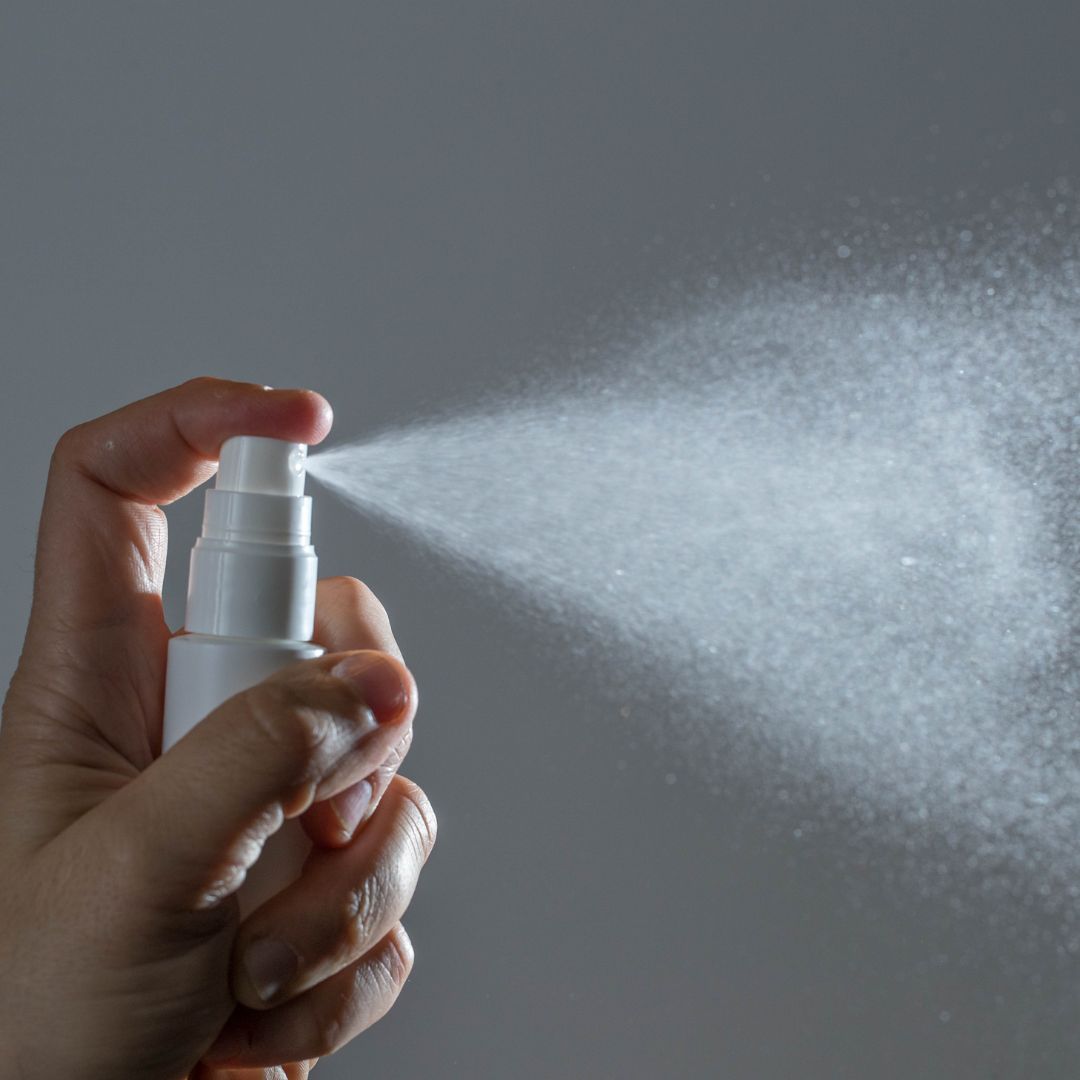
Skin barriers support microclimate control through breathable protection with high moisture vapor transmission rates. This allows moisture vapor to pass while maintaining a continuous protective film, helping reduce the risk of maceration in wear conditions where moisture, drainage, or friction may compromise skin integrity.
Fast drying, transparent finish
Skin barriers are designed for practical use and consistent site visibility. The film dries quickly to a transparent finish, supporting timely device application and enabling clinicians to maintain visibility of the skin or wound site during routine assessment.
Waterproof, irritant blocking layer
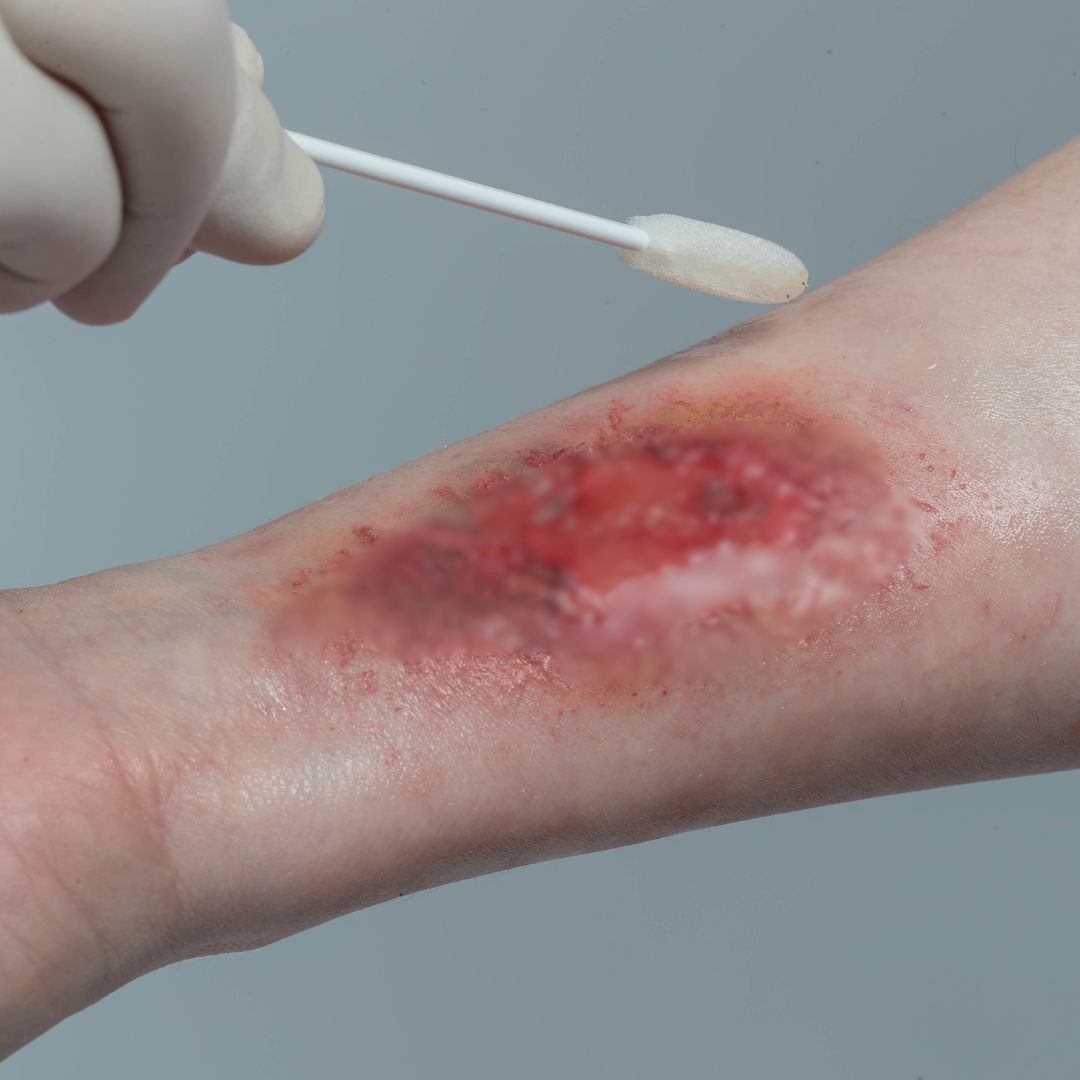
Skin barriers provide waterproof protection against common irritants. The barrier film helps block urine, feces, digestive enzymes, wound exudate, and other external substances, supporting prevention of moisture related skin damage and reducing the impact of chemical irritation in ongoing exposure scenarios.
Long wear protection for 48 to 72 hours
Skin barriers are formulated for extended wear and are designed to provide protection for 48 to 72 hours. This supports consistent care routines and may help reduce the impact of frequent dressing or device changes where repeated adhesive use is necessary.
Reduced adhesive and friction related irritation
By forming a protective base layer, skin barriers help reduce irritation associated with adhesives and mechanical friction. Absorbing part of the stress from repeated application and removal can help limit skin stripping during dressing changes or device removal.
Gentle, protocol aligned options
Skin barriers are available in gentle formulations suitable for structured care protocols. Alcohol free, no sting options help reduce discomfort on application, and CHG compatibility supports use alongside common infection control practices.